 Log in


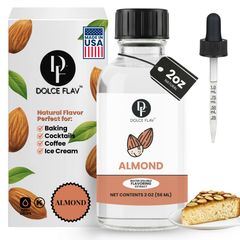
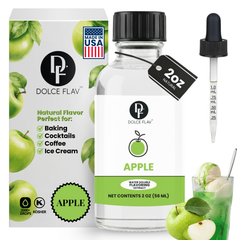


Water-soluble flavoring is formulated for applications with a compatible water-containing phase, such as drinks, batters and dessert sauces. Choosing the correct format matters as much as choosing the flavor. Check the exact product’s ingredients, recommended applications and use rate before adding it to a recipe.
What does water-soluble flavoring mean?
“Water-soluble” describes how a flavor is intended to mix into a compatible base. It does not mean the bottle contains only water, or that every product has the same carrier. Read the ingredient label for the specific formula. Do not assume that all water-soluble flavors are alcohol-free, colorless or suitable for every food.
Choose a flavor for your recipe
- Drinks: look for a flavor recommended for the beverage you are making. Test its appearance and taste in the actual drink, including any milk, acids or sweeteners.
- Cakes and batters: check that the product supports baking, then distribute it through a compatible liquid ingredient before incorporating it into the batter.
- Gummies and candy: use a flavor recommended for that particular confection and follow the recipe’s addition stage.
- Plain chocolate and fat-based coatings: choose a flavor specifically approved for that application. Do not assume a water-soluble flavor is interchangeable with an oil-soluble one.
How to measure concentrated flavoring
Follow the exact product’s current instructions rather than a universal number of drops. Different flavors and formulations can require different amounts. If the directions specify a percentage by weight of the total batch, use this calculation:
Flavor weight = total batch weight × recommended percentage ÷ 100.
For example, if a product specifies 0.5% of total batch weight, a 500 g batch would use 2.5 g of flavoring. This is a calculation example, not a recommended use rate for every Dolce Flav product. Confirm the percentage basis and application before using it.
Mix a small test batch first
- Weigh the ingredients and record the flavor product and amount.
- Mix the measured flavor into a compatible liquid portion when the recipe and product directions allow.
- Combine thoroughly with the rest of the base at the recommended stage.
- Finish the recipe, then evaluate a cooled, baked or frozen sample as appropriate. Do not taste raw batter or hot sugar syrup.
- Adjust the next test within the product’s recommended range. Change one variable at a time.
Why does my drink look cloudy?
Water-soluble does not guarantee a clear finished drink. The flavor formula and other ingredients can affect appearance. Test in the complete beverage rather than plain water alone. If clarity is essential, ask for application-specific guidance before committing to a large batch.
Can I add more flavor to fix a weak batch?
First check the measurement, mixing and addition stage. Increasing the dose may not solve a compatibility problem. Evaluate the finished product at its serving temperature and compare small trials before changing production quantities.
For rum-flavored cakes, sauces and beverages, Natural Rum Extract is one water-soluble option. Match the current product instructions to your recipe, and keep a written batch record for consistent results.