 Log in


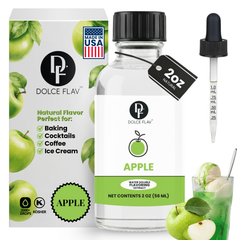


Looking for practical ways to use Oil Soluble Apple Flavoring? These ideas are designed for home makers, cafés, bakeries and confectioners who want a recognizable crisp, sweet-tart apple profile with repeatable results. Dolce Flav's concentrated oil-soluble format makes it easier to add flavor without relying on bulky ingredients that can alter texture.
Quick answer: Start with a small test batch, add flavor gradually, record the amount, and evaluate it in the finished product—not just the raw mix. The best concepts support the main flavor with one or two intentional pairings.
Why Oil Soluble Apple Flavoring works in product development
Concentrated flavor gives makers control. It can reinforce a hero ingredient, create a consistent profile when fresh ingredients vary, or bring a familiar flavor into an application where extra liquid, pulp or fat would be inconvenient. Solubility matters: this product is oil-soluble, so match it to a compatible base and confirm dispersion before scaling. Explore more options in the Dolce Flav collection.
1. Green apple white-chocolate bars
This concept uses crisp, sweet-tart apple as a clear flavor cue without letting it overwhelm the base. Build the first bench sample with a restrained amount of Oil Soluble Apple Flavoring, taste after the mixture has fully rested, and then adjust in small increments. For a more dimensional result, pair it with acidity, salt, vanilla, spice, fruit or a creamy note appropriate to the format. Keep the finishing texture and color aligned with the flavor promise so shoppers understand the idea before the first bite or sip.
2. Caramel apple truffles
This concept uses crisp, sweet-tart apple as a clear flavor cue without letting it overwhelm the base. Build the first bench sample with a restrained amount of Oil Soluble Apple Flavoring, taste after the mixture has fully rested, and then adjust in small increments. For a more dimensional result, pair it with acidity, salt, vanilla, spice, fruit or a creamy note appropriate to the format. Keep the finishing texture and color aligned with the flavor promise so shoppers understand the idea before the first bite or sip.
3. Apple-cinnamon hard candy
This concept uses crisp, sweet-tart apple as a clear flavor cue without letting it overwhelm the base. Build the first bench sample with a restrained amount of Oil Soluble Apple Flavoring, taste after the mixture has fully rested, and then adjust in small increments. For a more dimensional result, pair it with acidity, salt, vanilla, spice, fruit or a creamy note appropriate to the format. Keep the finishing texture and color aligned with the flavor promise so shoppers understand the idea before the first bite or sip.
4. Sour apple gummies
This concept uses crisp, sweet-tart apple as a clear flavor cue without letting it overwhelm the base. Build the first bench sample with a restrained amount of Oil Soluble Apple Flavoring, taste after the mixture has fully rested, and then adjust in small increments. For a more dimensional result, pair it with acidity, salt, vanilla, spice, fruit or a creamy note appropriate to the format. Keep the finishing texture and color aligned with the flavor promise so shoppers understand the idea before the first bite or sip.
5. Apple pecan pralines
This concept uses crisp, sweet-tart apple as a clear flavor cue without letting it overwhelm the base. Build the first bench sample with a restrained amount of Oil Soluble Apple Flavoring, taste after the mixture has fully rested, and then adjust in small increments. For a more dimensional result, pair it with acidity, salt, vanilla, spice, fruit or a creamy note appropriate to the format. Keep the finishing texture and color aligned with the flavor promise so shoppers understand the idea before the first bite or sip.
6. Spiced apple compound coating
This concept uses crisp, sweet-tart apple as a clear flavor cue without letting it overwhelm the base. Build the first bench sample with a restrained amount of Oil Soluble Apple Flavoring, taste after the mixture has fully rested, and then adjust in small increments. For a more dimensional result, pair it with acidity, salt, vanilla, spice, fruit or a creamy note appropriate to the format. Keep the finishing texture and color aligned with the flavor promise so shoppers understand the idea before the first bite or sip.
7. Apple pie chocolate bark
This concept uses crisp, sweet-tart apple as a clear flavor cue without letting it overwhelm the base. Build the first bench sample with a restrained amount of Oil Soluble Apple Flavoring, taste after the mixture has fully rested, and then adjust in small increments. For a more dimensional result, pair it with acidity, salt, vanilla, spice, fruit or a creamy note appropriate to the format. Keep the finishing texture and color aligned with the flavor promise so shoppers understand the idea before the first bite or sip.
How to test the idea before scaling
- Define the target. Write down the exact sensory goal: fresh, candy-like, creamy, tart or roasted.
- Make a control. Keep one unflavored sample so you can judge what the concentrate changes.
- Use measured additions. Work by weight where possible and document every adjustment.
- Evaluate after processing. Heat, chilling, aeration and resting time can change perceived intensity.
- Scale by percentage. Once the bench sample is approved, preserve the formula ratio and run a pilot batch before full production.
For commercial products, confirm compatibility and regulatory requirements for your formula, process and market. Sensory testing should include the product at its actual serving temperature and after its intended shelf-life interval.
Frequently asked questions
How much flavor should I use?
There is no universal amount because bases, sweeteners, acids and processing conditions differ. Begin below your expected target, increase gradually and follow the product label or technical guidance. A small addition can be easier to correct than an over-flavored batch.
Can I combine this flavor with another Dolce Flav product?
Yes. Layering can create a signature profile, but assign one flavor the lead role and use the second as support. Citrus, vanilla, caramel, mint and complementary fruit notes are useful starting points.
How do I keep results consistent?
Record ingredient weights, flavor lot, addition point, mixing time, temperature and final yield. Use a fixed tasting rubric and approve a retained standard before production.
Turn the idea into your next signature item
Choose one concept, test it in the smallest practical batch, and refine it with customer feedback. Shop Oil Soluble Apple Flavoring, browse the related flavor collection, or use the Dolce Flav recipe and flavor guides for more product-development inspiration.