

 Log in


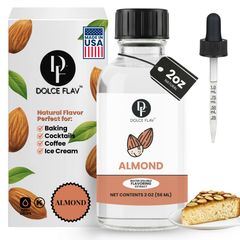
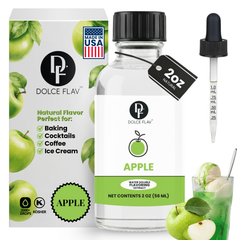

The first school bells of the year are about to ring, and lunchboxes everywhere are begging for something better than another store-bought fruit snack. Homemade gummies are the back-to-school win nobody sees coming: you control the ingredients, the colors come from plants instead of petroleum-based dyes, and kids get a treat that looks every bit as fun as the packaged stuff.
Here's how to build a week's worth of lunchbox-ready gummy snacks in a single Sunday afternoon — plus a few bonus ideas for after-school treats that use the same bottles of flavoring.
Why Homemade Gummies Beat the Packaged Stuff
Flip over a bag of commercial fruit snacks and you'll usually find synthetic dyes like Red 40 and Blue 1 near the bottom of the label. Making gummies at home lets you swap those for plant-based colors — think beet, spirulina, and turmeric — without giving up the bright, saturated look kids love.
Cost is the other quiet advantage. A single bottle of concentrated flavoring from our gummy flavoring collection flavors batch after batch, because you only need a few drops to a quarter teaspoon at a time. One afternoon of prep can stock the snack drawer for weeks.
The Simple Base Recipe
Every lunchbox gummy starts with the same three-ingredient base: gelatin, liquid, and sweetener. Our gelatin is the backbone — it sets the chew and holds the shape through a morning in a backpack.

Quick Method
Bloom your gelatin in cold water for five minutes, then warm it gently with juice or water and your sweetener of choice until fully dissolved. Never let it boil — high heat weakens the set. Off the heat, stir in your flavoring: start with a few drops of an oil-soluble flavor like strawberry flavoring or watermelon flavoring, taste, and adjust.
Pour into silicone molds — our 230-count square molds turn out perfectly uniform, lunchbox-sized pieces — and chill for 30 to 60 minutes. That's it. For the full technique, including a shelf-stable version, see our complete guide to making gummies from scratch.
Color Them Naturally
This is where homemade gummies really pull ahead. A few drops of water-soluble natural color go straight into the warm gummy base along with the flavor.
A classic back-to-school lineup: natural red food coloring with strawberry, natural blue food coloring with blue raspberry, and natural green with apple flavoring. If you want a truly vivid crimson for cherry or fruit-punch gummies, reach for natural super red — it delivers deep, saturated color from natural sources. Browse the whole lineup in the natural food coloring collection.
Three Lunchbox Ideas Beyond Gummies
1. Color-Swirled Yogurt Cups
Stir a drop of natural pink or blue coloring into plain yogurt with a few drops of water-soluble flavor. It looks like the fancy store-bought cups at a fraction of the price and none of the synthetic dye.
2. After-School "Potion" Drinks
A drop of natural color plus a splash of water-soluble flavoring turns plain sparkling water into a magic potion. It's hydration with a marketing department.
3. Weekend Baking Projects
Save the frosting fun for Saturday — our pink cupcake frosting with natural food coloring is a great first bake of the school year.
Make-Ahead and Storage Tips
Store finished gummies in an airtight container in the fridge for up to two weeks. Toss them with a light dusting of cornstarch if they start sticking together. Pack them in the lunchbox with a small ice pack on hot early-September days — gelatin gummies prefer to stay cool.
FAQ
Are natural food colorings as bright as artificial dyes?
They're impressively close. Plant-based colors like our super red and blue read vivid and saturated in gummies and frosting. Colors may shift slightly with very acidic ingredients, so add color last and adjust drop by drop.
What flavors do kids actually like best in homemade gummies?
Strawberry, watermelon, blue raspberry, and grape are the perennial winners. Start with a few drops per batch, taste the warm base, and add more as needed — concentrated flavors go a long way.
Can I use juice instead of water in the gummy base?
Yes — juice adds natural sweetness and body. Just avoid fresh pineapple, kiwi, and papaya juices, which contain enzymes that prevent gelatin from setting.