 Log in


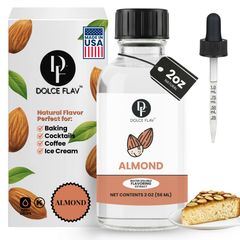
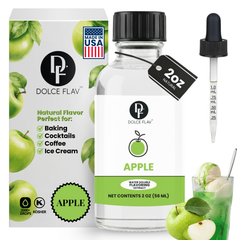

Homemade gummies have exploded in popularity — with home candy makers, small confectionery brands, and wellness companies alike. But there's one step where most first batches go wrong: the flavor. Fresh fruit juice fades and spoils, water-based extracts weaken the gel, and grocery-store flavorings simply aren't strong enough to punch through gelatin. Here's how to flavor gummies properly, from ingredient choice to exact dosing.
Rule #1: Use Oil-Soluble Flavoring
Gummy candy is cooked hot and sets dense, which means it needs a concentrated, heat-stable flavor. Oil-soluble flavor oils are the industry standard: they survive the heat of the sugar syrup, they don't add water that weakens the set, and their intensity carries through the finished gummy. Every flavor in our Gummies collection is selected for exactly this job. (For the science, see our oil-soluble do's and don'ts.)

How Much Flavoring per Batch?
Concentrated flavor oils are typically dosed at a fraction of a percent of your batch weight. In practice: start with ⅛ to ¼ teaspoon per standard cup-of-liquid batch, stir it in at the end of cooking (off the heat, so the flavor doesn't cook off), taste a cooled drop, and adjust on your next pour. Keep notes — once you find your ratio, gummies are one of the most repeatable candies there is.
The Most Popular Gummy Flavors
If you're building a starter lineup, these are the crowd-pleasers, all $14.95:
- Blue Raspberry — the #1 candy flavor for a reason
- Watermelon — summer's favorite, popular year-round
- Peach — the classic peach-ring profile
- Cherry — bold and nostalgic
- Tropical Punch — a mixed-fruit favorite
- Apple — add citric acid for sour green apple
Don't Forget the Gelatin
Flavor is half the equation; texture is the other half. Bloom quality matters — a proper candy-grade gelatin gives you that commercial chew instead of a soft jello texture. Our complete Gummy Ingredients collection has the supporting cast, and the molds to pour into.
A Proven Recipe to Start From
Rather than guess at ratios, start with our step-by-step shelf-stable gummy bear recipe. It covers blooming, cooking temperature, pouring, and the drying step that gives gummies a real shelf life — then you can run the same base through every flavor above.
Pro Tips for Better Gummies
Add flavor off the heat to preserve intensity. Add a pinch of citric acid for sour profiles — it brightens fruit flavors even in non-sour gummies. Dry finished gummies uncovered for 24–48 hours for a chewier bite and longer shelf life. And when you scale a batch up, scale flavor by weight, not by feel.
Ready to pour your first batch? Start with the gummy flavor lineup — or grab a Fruity Fun bundle and test ten flavors side by side.
Gummy Flavoring FAQ
Can I use water-based extracts in gummies?
You can, but oil-soluble flavor oils generally give better results: they're more concentrated, they survive the cooking heat, and they don't add water that can soften your set. If you only have a water-soluble extract on hand, add it after cooking and slightly reduce the other liquids in the recipe.
Why did my gummies lose flavor after a few days?
Usually the flavor was added while the syrup was too hot, or the dose was too light. Add flavoring off the heat, dry your gummies properly, and store them airtight — flavor oils are formulated to hold up in a finished, shelf-stable gummy.