Log in


Food-flavor measurement note: Use Dolce Flav food-flavor concentrate at 0.3–0.6% of the unflavored component weight, added on top. Weigh the base in grams and multiply by 0.003–0.006, starting at 0.3%; 1,000 g of base gets 3–6 g. For cooked candy use the cooked mixture before flavor. For combined flavors in one base, keep their total within the range. Do not infer grams from drops or spoon volume. Calculate from the specific beverage, frosting, glaze, chocolate or other component being flavored, not separate toppings or accompaniments.
Ask any chocolatier what kills more batches of chocolate than anything else and you'll get the same answer: water. A single drop of water-based extract can seize a bowl of silky melted chocolate into a grainy paste in seconds. That's why flavored chocolate — mint bark, orange truffles, raspberry-filled bonbons — is always made with oil-soluble flavoring. Here are the flavors that work best, and how to use them.
Why Oil-Soluble Is Non-Negotiable for Chocolate
Chocolate is a fat-based system: cocoa butter, cocoa solids, sugar. Oil-soluble flavor oils dissolve directly into the cocoa butter, distributing evenly with no risk of seizing. Water-based extracts do the opposite — the water grabs the sugar and cocoa particles and clumps them. Every flavor in our Chocolate collection is oil-based for exactly this reason. New to the technique? Start with The Ultimate Guide to Flavoring Chocolate.

The Best Flavor Pairings for Chocolate
Peppermint + dark chocolate
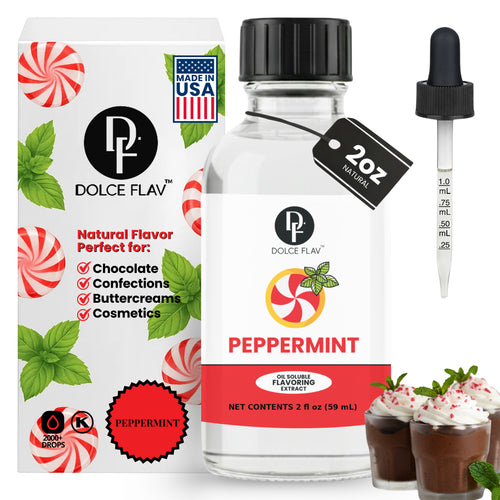
The holiday classic. Measured amounts of natural peppermint oil in melted dark chocolate makes bark, thin mints, and hot-cocoa spoons. It's the single most-used flavor in seasonal chocolate work — and it's just as good in peppermint brownies.
Orange + dark or milk chocolate
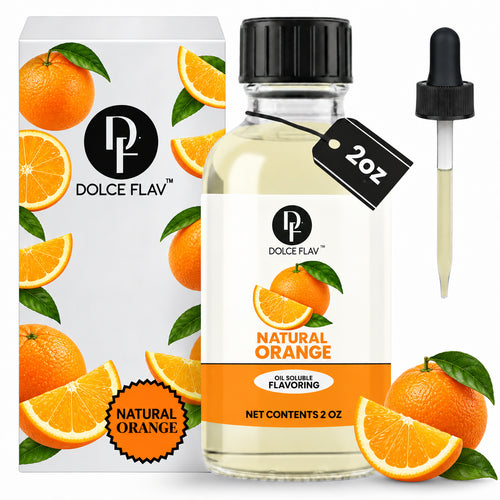
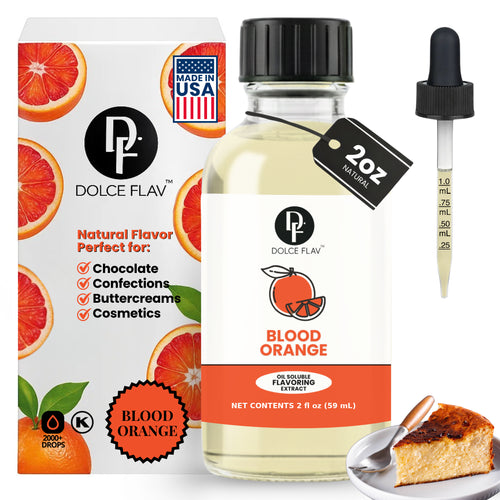
Chocolate orange is a century-old pairing. Natural orange flavoring oil in ganache makes truffles that taste like the famous foil-wrapped Christmas orange, and blood orange gives a more sophisticated bitter-citrus edge.
Raspberry + dark chocolate
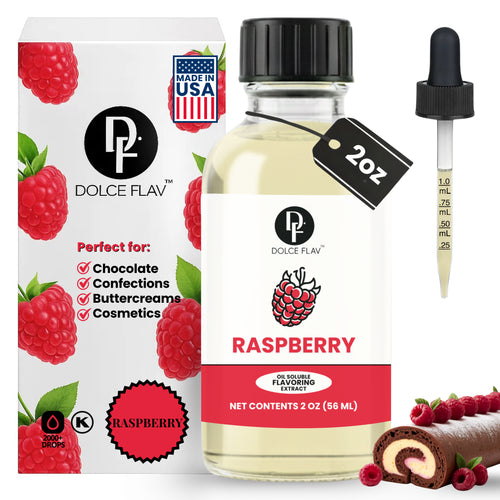
The flavor of every high-end truffle box. Stir oil-soluble raspberry into ganache for filled chocolates or drizzle-topped brownies.
Cinnamon + milk chocolate
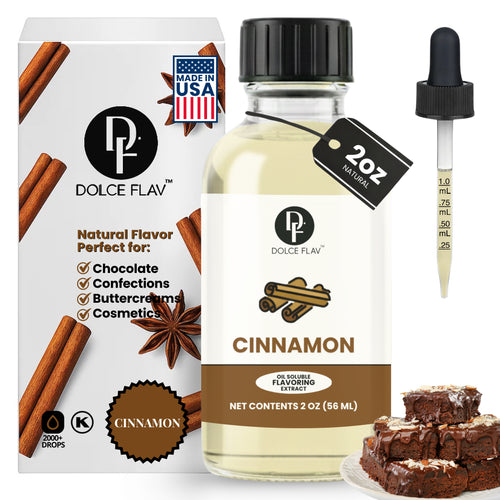
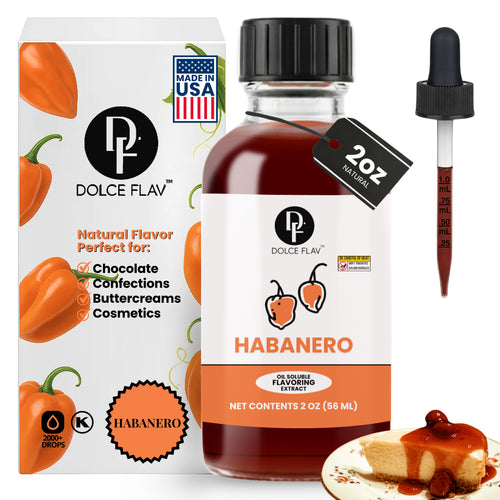
A drop of cinnamon oil turns milk chocolate into Mexican hot-chocolate bark — add a whisper of habanero if you like heat behind the sweet.
Strawberry + white chocolate
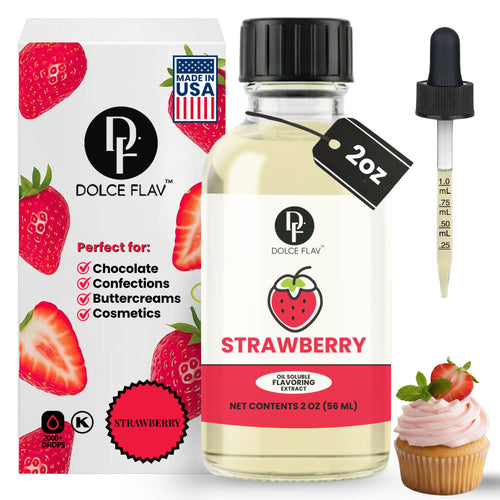
White chocolate's sweetness loves bright fruit. Strawberry flavoring oil makes pink-drizzled bark and strawberries-and-cream bonbons.
How to Add Flavor Without Ruining Temper
Melt and temper your chocolate as usual, then stir in flavor oil a drop at a time at the end, mixing thoroughly. Flavor oils are far more concentrated than extracts — 0.3–0.6% of the unflavored base weight is a sensible starting point. Taste, then adjust. For ganache, add the flavor after the cream and chocolate have emulsified. Our flavored ganache recipe walks through it step by step.
Build a Chocolatier's Flavor Shelf
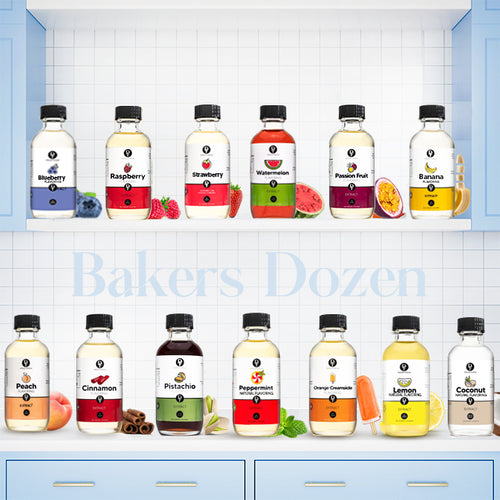
With five or six bottles you can produce a full assortment box: mint bark, orange truffles, raspberry creams, cinnamon bark, and strawberry hearts for February. Each oil is $14.95 and flavors dozens of batches. Browse the complete chocolate flavoring collection, or sample broadly with the Bakers Dozen bundle.
Chocolate Flavoring FAQ
Why did my chocolate seize when I added flavoring?
Almost certainly a water-based extract. Even a drop of water can make melted chocolate clump into a grainy mass. Only ever use oil-soluble flavor oils in melted chocolate — they dissolve into the cocoa butter with zero risk of seizing.
Will flavoring oil break my chocolate's temper?
Use Dolce Flav food-flavor concentrate at 0.3–0.6% of the unflavored component weight, added on top. Weigh the base in grams and multiply by 0.003–0.006, starting at 0.3%; 1,000 g of base gets 3–6 g. For cooked candy use the cooked mixture before flavor. For combined flavors in one base, keep their total within the range. Do not infer grams from drops or spoon volume.
Dolce Flav measuring guidance: Weigh the unflavored base or the individual component being flavored, then multiply its grams by 0.003–0.006. Add that measured amount of flavor on top; start at 0.3% and adjust within 0.3–0.6%. For example, 1,000 g of unflavored base gets 3–6 g of flavor. For hard candy, weigh the cooked mixture before adding flavor—not the starting sugar or uncooked ingredients. If combining Dolce Flav flavors in one base, keep their combined amount within the range. Do not calculate grams from a cup or spoon volume without the product’s density.