 Log in



Fall farmers market season is the single best on-ramp for a small candy business. Booth fees are low, foot traffic is high, and shoppers arrive already primed to buy handmade food. If you've been making gummies or hard candy for friends and thinking about selling, the eight weeks between Labor Day and Thanksgiving are your proving ground.
Here's a practical flavor-and-product playbook for your first market season — what to make, how to price it, and how to stand out from the fudge table two booths down.
First: Know Your Local Rules
Before you pour a single mold, check your state's cottage food laws. Most states allow candies and confections made in a home kitchen to be sold at farmers markets with basic labeling; some require a permit or kitchen inspection. Requirements vary widely, so verify locally — it's usually a quick search on your state agriculture department's site.
Build a Tight Product Line (Not a Buffet)
New sellers overextend. Six to eight SKUs is plenty: shoppers decide faster from a focused table, and your production stays manageable. A proven starter lineup is three gummy flavors, two hard candies, and one seasonal special that rotates monthly.
The Gummy Anchor
Gummies are the highest-margin, most photogenic anchor product. A batch built on gelatin and concentrated flavors from the gummy flavoring collection costs pennies per piece; bags of a dozen sell for $5 to $8 at most markets. Uniform pieces from 230-count square molds or cube molds look professional in a clear bag with a kraft label — and consistency is what makes a hobby look like a brand.

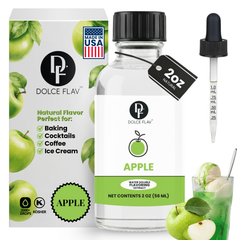
For fall markets, lean seasonal: apple, peach, and cherry gummies move fastest when there's a chill in the air. Our guide to making gummies from scratch covers the shelf-stable techniques you'll want for a product that sits on a market table for four hours.
The Hard Candy Upsell
Hard candy costs even less to produce and survives any weather. Cinnamon and lemon drops are fall staples; our homemade hard candy recipe is the place to start.
"Made with Natural Colors" Is a Sales Pitch
Here's your differentiation against mass-market candy: put a small sign on the table that says your candy is colored with plant-based ingredients. Parents at farmers markets actively look for dye-free treats, and almost nobody else at the market will be able to claim it.
Tint your gummies with the natural food coloring collection — super red for cherry, blue for blue raspberry, green for apple. The colors are vivid enough to pop in a clear bag, and the story sells itself.
Price for Profit from Day One
A simple rule: charge at least four times your ingredient cost. Concentrated flavorings make this easy — a single bottle flavors many batches, so your per-bag ingredient cost stays low even at small scale. Underpricing is the most common first-season mistake, and raising prices later is much harder than starting right.
The Seasonal Special: Your Repeat-Customer Engine
Rotate one limited flavor monthly — September apple-cinnamon gummies, October pumpkin spice hard candy, November maple caramels. A "back next month with something new" sign is the cheapest customer-retention program ever invented, and it gives regulars a reason to visit your booth every single week.
FAQ
How much inventory should I bring to my first market?
Plan for 40 to 60 units across your lineup. Selling out early looks great and costs you little; hauling home ten dozen unsold bags is demoralizing. Track what sells by 11 a.m. and adjust the next week's production.
Do homemade gummies hold up on a market table?
Yes, with the right recipe. Fully cured, properly dosed gelatin gummies handle a fall morning easily — keep them shaded and out of direct sun, and use a cooler as backup on warm days.
What should go on my candy labels?
Most cottage food laws require your business name, ingredients in descending order, net weight, and a "made in a home kitchen" disclosure. Check your state's exact wording before printing.