Log in


Food-flavor measurement note: Use Dolce Flav food-flavor concentrate at 0.3–0.6% of the unflavored component weight, added on top. Weigh the base in grams and multiply by 0.003–0.006, starting at 0.3%; 1,000 g of base gets 3–6 g. For cooked candy use the cooked mixture before flavor. For combined flavors in one base, keep their total within the range. Do not infer grams from drops or spoon volume. Calculate from the specific beverage, frosting, glaze, chocolate or other component being flavored, not separate toppings or accompaniments.
Apple is the quiet workhorse of fall flavors. Pumpkin spice gets the headlines, but apple cider donuts, caramel apples, and apple pie are what people actually line up for from September through Thanksgiving. The catch: fresh apples are full of water, which makes intense apple flavor surprisingly hard to achieve in candy, frosting, drinks, and gummies. Concentrated apple flavoring fixes that.
Two Apple Flavorings, Two Different Jobs
Dolce Flav carries apple in both formats, and choosing the right one is the difference between good and great results:
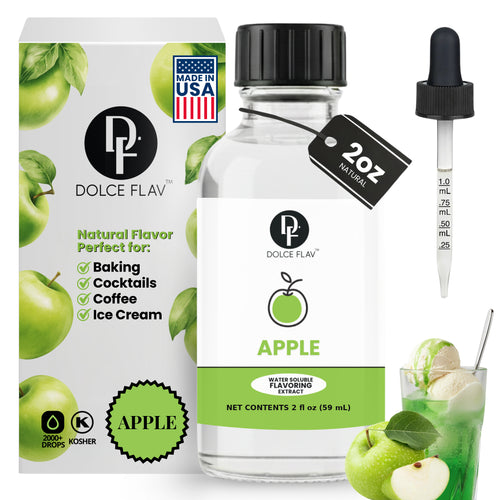
Water-Soluble Apple Flavoring dissolves instantly in anything water-based: cider, spa water, tea, frosting, cake batter, and ice cream bases. This is your pick for beverages and everyday baking.
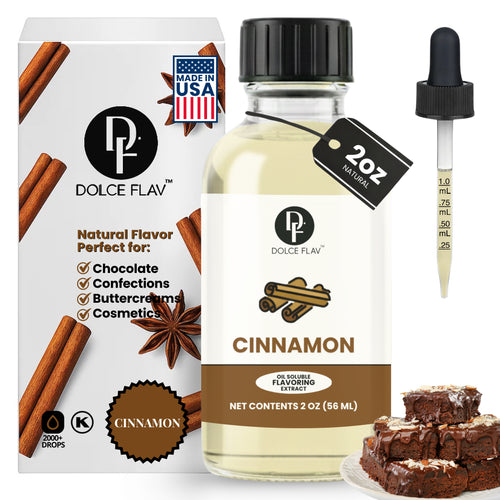
Oil-Soluble Apple Flavoring is built for high-heat and fat-based work: hard candy, caramels, chocolate, gummies, and lip balm. Oil-based flavors survive candy-making temperatures and blend into fats without separating. Not sure which you need? Our water-soluble vs. oil-soluble guide explains it in two minutes.

Fall Apple Treats to Make This Season
Apple cider donut glaze
Most "cider" donuts barely taste like apple because the cider's flavor bakes out. Measured amounts of apple flavoring in the glaze (plus cinnamon sugar) restores what the oven took away.
Caramel apple candies
Add oil-soluble apple flavoring to homemade caramels for a chewy candy that tastes like the state-fair original. The same bottle flavors green-apple hard candy — our hard candy flavoring guide covers temperatures and timing.
Apple gummies
Sour green apple is consistently one of the most popular gummy flavors. Use the oil-soluble version with our shelf-stable gummy recipe and a pinch of citric acid for that classic sour-apple bite.
Apple buttercream
Apple-spice cake with apple buttercream is an underrated fall centerpiece. Water-soluble apple flavoring gives frosting real fruit character without thinning it out.
Warm spiced cider (from any juice)
Measured amounts of apple flavoring plus a cinnamon stick can turn plain water, tea, or inexpensive juice into a mulled cider stand-in — and it's sugar-free if you want it to be.
Flavor Pairings That Work
Apple loves company: cinnamon for cider and pie profiles, maple for breakfast bakes, and caramel-adjacent flavors like butter extract for caramel-apple desserts. For more ideas, try these three apple-flavored recipes from our archive.
Start Your Fall Apple Lineup
Both apple flavorings are $14.95; usage depends on batch size and the measured flavor dose. Find them alongside cinnamon, maple, and pumpkin spice in the Fall Flavors collection.
Apple Flavoring FAQ
Which apple flavoring do I need for candy making?
Use the oil-soluble version for anything cooked to high temperatures — hard candy, caramels, brittle — and for fat-based applications like chocolate. Oil-based flavors hold up to candy-making heat, while water-based extracts can flash off or cause spattering when added to hot sugar.
How much apple flavoring should I use per batch?
Weigh the unflavored batch and add Dolce Flav concentrate at 0.3–0.6% of that weight (batch grams × 0.003–0.006). For example, 1,000 g of unflavored mixture gets 3–6 g of flavor, added on top. Start at the lower end and adjust within this range. For hard candy, use the cooked mixture’s weight before adding flavor. Concentrated flavorings are much stronger than grocery-store extracts, so begin light — you can always add another drop.