 Log in




Concentrated food flavorings can turn one reliable base recipe into an entire menu—but only when the flavor format, dose and process match the food you are making. The difference between a bright, repeatable result and a bitter, separated or flat batch is rarely luck. It is usually a matter of choosing the right concentrate, measuring it consistently and evaluating it after the same heat, dilution and holding conditions the finished product will experience.
This complete guide explains how to use concentrated food flavoring at home and in a small food business. You will learn the practical difference between water-soluble extracts and oil-soluble flavorings, how to run controlled bench tests, how to adapt one flavor across beverages, baked goods, gummies, chocolate and frozen desserts, and how to move from a kitchen-size recipe to a documented commercial formula. You will also find troubleshooting charts, starter recipes, costing guidance and answers to common questions.
If you are ready to develop, start by browsing Dolce Flav’s water-soluble flavors and oil-soluble flavors. The goal is not to buy the most flavors. It is to choose the correct format for the product you want to make.
What concentrated food flavoring is—and what it is not
A concentrated food flavoring is an ingredient designed to contribute aroma and taste at a relatively low use level. Unlike fruit purée, cookie spread, coffee syrup or melted chocolate, a concentrate is not intended to provide the bulk, sweetness, color or texture of the named food. It lets you control flavor separately from those other formula variables.
That separation is useful. A strawberry purée adds water, fiber, acidity, natural variation and color. A strawberry concentrate primarily adds a targeted strawberry profile. A cookie butter spread adds fat, sugar and solids. Natural Cookie Butter Extract can contribute a caramelized biscuit note without turning a syrup cloudy or changing a cake batter’s flour-to-fat balance in the same way a spoonful of spread might.
Concentrated does not mean “use an arbitrary number of drops.” Concentration varies by product, application and sensory target. The correct amount is the lowest measured dose that delivers the intended flavor after processing and serving. Follow the documentation for the specific product, begin conservatively and increase in controlled steps.
Four things flavoring generally does not replace
- Sweetener: A birthday cake or cola flavor can suggest sweetness, but it does not necessarily supply the sugar, syrup or high-intensity sweetener your formula needs.
- Acid: Fruit flavor often becomes clearer with appropriate acidity, but flavor concentrate is not automatically a substitute for citric, malic or other food acids.
- Color: Flavor and color are separate sensory signals. If appearance matters, choose a suitable approved food coloring and test it independently.
- Structure: Flavoring does not create the gel in a gummy, the emulsion in a beverage, the crumb in a cake or the temper in chocolate.
Thinking in separate systems—flavor, sweetness, acid, color and structure—makes development more predictable. If a raspberry drink tastes dull, you can determine whether it needs more raspberry aroma, more acid contrast or less sweetness instead of increasing every ingredient at once.
Water-soluble vs. oil-soluble flavoring
The first formulation decision is compatibility. “Water soluble” and “oil soluble” describe where a flavor is designed to disperse. They are not simply two labels for the same product.
Choose water-soluble flavoring for water-rich systems
Water-soluble extracts are the practical starting point for drinks, simple syrups, teas, lemonades, many cake batters, icings, dairy bases and other formulas where water is a continuous phase. They mix more readily into those systems and simplify bench testing.
Examples include a Pumpkin Spice Extract syrup for a latte, fruit flavor in sparkling water, or almond extract in a glaze. Even here, mixing order and other ingredients matter. A heavily fat-based frosting may require different testing from a thin powdered-sugar glaze.
Choose oil-soluble flavoring for fat-rich or moisture-sensitive systems
Oil-soluble flavorings are designed for compatible oil- and fat-based applications such as chocolate, compound coatings, candy melts, fat-based fillings and certain cosmetic applications. They help you avoid introducing unnecessary water into a moisture-sensitive system.
For example, Strawberry Flavoring Oil Soluble is a better candidate for a strawberry-flavored chocolate test than a water-based strawberry extract. The same principle applies to peppermint bark, flavored cocoa butter or a fat-rich confectionery filling.
Oil-soluble does not guarantee compatibility with every fat system, processing temperature or emulsifier. Chocolate is particularly unforgiving. Run a small test with the exact chocolate or coating you intend to use before scaling.
A fast compatibility decision table
| Application | Likely starting format | Why | What to validate |
|---|---|---|---|
| Still or sparkling beverage | Water-soluble | Designed for water-rich systems | Clarity, aroma after dilution, flavor at serving temperature |
| Coffee syrup | Water-soluble | Disperses in syrup and finished drink | Hot and iced performance, sweetness balance, hold time |
| Cake or muffin batter | Often water-soluble | Most batters contain an aqueous phase | Flavor after baking and cooling |
| Buttercream | Application-dependent | Contains both fat and water depending on style | Dispersion, texture and finished flavor |
| Chocolate or candy melts | Oil-soluble | Avoids unnecessary water in a fat-rich system | Viscosity, setting, bloom and flavor after cure |
| Gelatin gummies | Formula-dependent | Gummies contain water but require careful process control | Dispersion, cook loss, acid timing, texture and shelf stability |
| Ice cream base | Often water-soluble | Dairy base contains a continuous water phase | Cold flavor suppression, overrun and post-freeze flavor |
For a deeper comparison, read Pumpkin Spice Extract vs. Flavoring Oil. The example is seasonal, but the selection logic applies across the catalog.
The disciplined way to dose concentrated flavoring
The best starting point is the manufacturer’s guidance for the exact flavor and application. When guidance provides a range, begin at the low end in a small, representative batch. The purpose of a bench test is not to create a perfect product in one attempt. It is to learn how the flavor behaves while the cost of a mistake is still small.
Measure by weight when practical
“Drops” are convenient for a quick home trial, but droppers, viscosity, angle and squeeze pressure vary. A commercial formula needs a repeatable unit. Use a scale with suitable resolution for the amount you are measuring, or make a documented pre-dilution only when the product guidance and your process allow it.
Write formulas as percentages as well as batch weights. If a 1,000-gram test contains 2 grams of flavor, the use level is 0.2%:
Flavor percentage = flavor weight ÷ total batch weight × 100
This formula does not tell you whether 0.2% is correct. It simply lets you describe and reproduce the test. The sensory result and product instructions determine whether the level is appropriate.
Use a three- or five-sample ladder
- Prepare one unflavored control.
- Divide the base into equal, labeled portions.
- Add a different measured flavor level to each portion.
- Mix each sample for the same time using the same tool.
- Process, chill, bake or dilute the samples exactly as the final product will be used.
- Taste blind if possible and record aroma, clarity, balance, aftertaste, texture and appearance.
A narrow ladder is usually more informative than random jumps. If the lowest sample is invisible and the highest is harsh, the target may fall between the middle two. Repeat with smaller increments. Keep the control so you can recognize how much flavor the base ingredients already contribute.
Evaluate at the real serving temperature
Temperature changes perception. A warm syrup may smell intense in the pot but disappear after it is diluted into iced milk. Ice cream base may taste strong before freezing because cold temperatures reduce aroma and sweetness perception. A cake smells powerful out of the oven but should be judged again when fully cooled.
Define the consumer experience before choosing a dose. For a bottled syrup, test both the syrup and the finished beverage at a specified usage rate. For a gummy, taste after the normal cure. For chocolate, evaluate after setting and again after storage.
Build a flavor brief before you build a recipe
A flavor brief is a one-page description of the product you are trying to make. It prevents a development team—or one busy founder—from chasing an undefined target.
Include:
- Product and serving format
- Primary consumer and occasion
- Desired leading, middle and finishing notes
- Reference products or sensory descriptions
- Sweetness, acidity and color targets
- Dietary, ingredient and allergen constraints
- Expected process temperatures and hold times
- Package, shelf-life and distribution expectations
- Target ingredient cost per serving or unit
“Make it taste like strawberry” is not a complete brief. “A bright ripe-strawberry sparkling drink for afternoon service, with light sweetness, a clean acidic finish and no candy-like aftertaste” gives the developer something to evaluate.
How to use flavor concentrates in beverages
Beverages are friendly development systems because they can be divided into small samples, but they amplify problems with solubility, sweetness and aroma. Begin with a water-soluble flavor unless the finished product has a validated emulsion system that supports another format.
Still water and sparkling water
Start with chilled water and build a low-dose ladder. Taste the flavor alone before adding sweetener or acid. Then adjust sweetness and acidity in separate rounds. Carbonation adds bite and changes aroma release, so a formula developed in still water must be confirmed after carbonation.
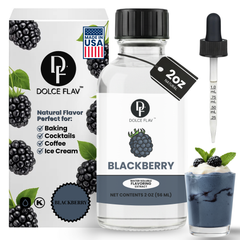
Use a flavor such as Blackberry Extract, blue raspberry or peach to create a recognizable top note, then decide whether the drink should be unsweetened, lightly sweetened or soda-like. Do not expect flavoring to make plain water taste sweet.
Coffee, tea and latte syrups
A syrup should be evaluated in the final cup, not just by the spoonful. Coffee bitterness, milk fat, dilution and ice all change perception. Establish a standard drink build—cup size, espresso dose, milk volume, ice and syrup weight—before adjusting flavor.
For an end-to-end example, use the workflow in Pumpkin Spice Latte Syrup: Home Recipe and Commercial Scale-Up Guide. Its core lesson is universal: scale by weight, control the process and judge the finished drink.
Mocktails and cocktails
Alcohol, citrus, bitters and carbonation can shift a flavor dramatically. Build the complete drink at serving dilution. Add concentrated flavor in small measured steps and allow time for the drink to equilibrate before deciding. For bar service, convert the winning formula into a pre-batched component that staff can measure consistently.
Simple flavored syrup starter formula
This is a development framework, not a shelf-stable commercial formula:
- 500 g water
- 500 g granulated sugar
- A suitable Dolce Flav water-soluble extract, added according to product guidance and bench testing
- Combine water and sugar in a clean saucepan.
- Heat gently while stirring until the sugar dissolves. Avoid unnecessary boiling.
- Cool to a temperature appropriate for the selected flavor.
- Divide into small weighed samples and test flavor levels.
- Label, refrigerate and use promptly for home trials.
Do not infer commercial shelf life from a home refrigerator test. A packaged syrup intended for sale needs an appropriate formula, hygienic process, packaging plan and validated safety and shelf-life program.
How to use extracts in baking
Baking exposes flavor to heat, evaporation, browning and competing aromas. A batter that tastes perfect before baking may finish muted; a flavor that seems subtle in dough may become harsh after moisture leaves.
Use representative mini-batches
Develop in a smaller batch only if the geometry and process remain representative. One cupcake is not always equivalent to a full cake because bake time and surface area differ. Mini loaves can be useful, but confirm the winning flavor in the actual product size.
Layer flavor instead of forcing one component
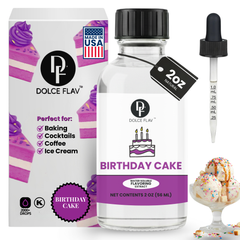
When a baked cake loses aroma, increasing the batter dose is not the only option. Put part of the sensory experience in a glaze, filling or frosting applied after baking. A birthday cake profile might combine Birthday Cake Batter Extract in the batter with vanilla-forward frosting. Cookie butter can appear in the cake and a cream-cheese-style icing.
Layering creates a stronger aroma at the moment of eating without overloading the baked base. Each layer should still be evaluated alone and together.
Watch the full formula
Salt sharpens flavor. Sugar can support or bury delicate notes. Cocoa, browned butter, spices and leavening all compete. If the flavor is weak, compare the flavored version with an unflavored control before increasing the concentrate. The base may need rebalancing.
Vanilla cupcake development base
Use a trusted cupcake recipe and keep every ingredient constant while testing a suitable flavor such as almond, cookie butter, birthday cake batter, pistachio or fruit. Divide the prepared batter by weight, flavor each portion, then bake identical cupcakes in the same pan rotation. Score them after cooling and again the next day.
Do not sell from a single warm tasting. Day-two aroma, crumb texture, frosting interaction and packaging odor transfer can change the result.
How to flavor gummies and chewy candy
Gummies look simple, but commercial gummy development brings together gelling, solids, acidity, flavor, depositing, drying and water activity. A strong kitchen recipe is a useful prototype—not proof of shelf stability.
Choose the formula before the flavor
Gelatin, pectin and starch systems behave differently. Select the gelling system and target texture first. Then choose a compatible flavor and evaluate it after the normal cooking and curing process. High heat and long cook times can change aroma, while acid timing affects both taste and gel performance.
Protect aroma from unnecessary heat
Add flavor at the point recommended for your formulation and ingredient system. In many prototypes, developers minimize flavor’s exposure to heat, but the correct order depends on the recipe. Record the temperature at flavor addition and depositing rather than writing “add near the end.”
Standardize depositing
Piece size affects drying, texture and flavor delivery. If you use a 234-cavity square gummy mold or another production mold, record the target deposit weight per cavity, total yield and rejected pieces. Do not scale from “one mold” without accounting for actual piece mass.
A safe development sequence
- Make an unflavored base and confirm the gel process.
- Run a flavor ladder in small, representative portions.
- Keep acid and color constant during the flavor comparison.
- Deposit equal weights into identical cavities.
- Cure under the same conditions.
- Evaluate flavor, texture, stickiness, appearance and aroma after cure.
- Send the intended commercial formula through appropriate safety and shelf-life validation.
For more flavor options, browse the gummy flavoring collection. Keep any updated gummy commercialization article as the detailed spoke, while this guide acts as the central hub explaining flavor-selection principles.
How to use oil-soluble flavoring in chocolate
Chocolate and compound coatings are moisture-sensitive. A water-based addition can thicken or seize chocolate, and too much of any liquid can change flow and setting behavior. Start with an oil-soluble flavor intended for compatible fat-rich applications.
Run a 100-gram chocolate test
- Melt or temper the chocolate according to the chocolate manufacturer’s instructions.
- Weigh equal small portions into dry, warm containers.
- Add measured levels of oil-soluble flavor using a suitable scale or documented measurement.
- Mix gently and consistently without introducing water.
- Cast identical pieces and allow them to set under the same conditions.
- Evaluate flow, snap, shine, aroma, flavor and aftertaste.
- Recheck after storage for bloom, odor transfer and flavor change.
Popular directions include peppermint, orange, pistachio, strawberry and cinnamon-bakery profiles. Start with the Chocolate collection and verify the chosen product’s documentation.
Flavor the center, the shell or both
A filled confection does not need maximum flavor everywhere. A neutral chocolate shell can frame a flavored ganache or fat-based center. Alternatively, a lightly flavored shell can introduce aroma before a contrasting filling. Develop each layer separately, then taste the complete piece at its intended serving temperature.
How to flavor ice cream and frozen desserts
Cold suppresses aroma and sweetness. An ice cream base that tastes slightly strong before freezing may be balanced after hardening, while one that tastes perfect warm can become flat. Always evaluate the frozen product.
Start with a standardized base
Use one proven dairy or non-dairy base and freeze an unflavored control. Divide flavored trials by weight. Keep overrun, freezing time, draw temperature and inclusion load constant. If you change the stabilizer, fat level and flavor together, the test cannot tell you which variable caused the difference.
Add texture intentionally
Concentrated flavor can create a clear pistachio, strawberry, birthday cake or cookie butter profile, but customers may expect inclusions. Decide whether nuts, fruit pieces, cookie crumbs or ripple sauces add value—or merely increase cost, allergen complexity and sogginess risk.
Browse Dolce Flav’s Ice Cream & Frozen Treats collection for development directions. Flavor concentrates are especially helpful when you want aroma without adding significant water or fruit solids, but the base must still be balanced for freezing performance.
How to design flavor pairings that sell
A successful flavor pairing has contrast, clarity and an easy menu story. Pairings should sound appealing before the customer tastes them and remain distinct after the ingredients are combined.
Use the lead-support-finish model
- Lead: the flavor named first and recognized immediately.
- Support: a note that adds depth, creaminess, roast, fruit or spice.
- Finish: the lingering cue—salt, acid, cocoa, mint, vanilla or toast—that keeps the product from feeling flat.
For example, cookie butter can lead, cream cheese can support and a light salt finish can sharpen the profile. Blackberry can lead, vanilla can soften the middle and lemon acidity can clean up the finish.
Pair by contrast
Rich flavors benefit from brightness. Sweet profiles benefit from roast, salt or acidity. Dark chocolate supports berry and orange. Espresso keeps caramelized cookie and maple profiles from reading as pure sweetness. The goal is not to add complexity for its own sake; it is to make the lead flavor easier to recognize across a full serving.
For a focused pairing playbook, see Cookie Butter Menu Ideas: 9 High-Impact Pairings.
Troubleshooting concentrated food flavoring
| Problem | Likely cause | Best next test |
|---|---|---|
| Flavor is weak | Dose too low, cold suppression, dilution or heat loss | Run small incremental increases and judge after final processing |
| Bitter, perfumey or medicinal | Overdose or uneven mixing | Dilute a sample with unflavored base; improve addition and mixing order |
| Product separates | Flavor format and base are incompatible | Confirm water- vs. oil-soluble format; do not rely on shaking as validation |
| Chocolate thickens or seizes | Water contamination or incompatible addition | Stop, inspect every ingredient and utensil, then retest with oil-soluble flavor |
| Fruit tastes like candy | Sweetness too high, acidity too low or flavor profile mismatched | Hold flavor constant and adjust sweetness/acid in separate samples |
| Flavor disappears after baking | Heat and evaporation | Compare batter flavor with a post-bake glaze or layered approach |
| Batches vary | Drop counting, inconsistent mixing or uncontrolled temperatures | Convert to weights and create a production record |
| Good first bite, tiring full serving | Overall intensity or sweetness too high | Evaluate a complete portion and reduce the dominant system |
When working with pumpkin profiles, the Pumpkin Spice Flavor Troubleshooting guide provides eight concrete batch fixes that translate well to other flavors.
From home recipe to commercial formula
Commercializing a recipe means turning a pleasant kitchen outcome into a product that can be repeated, costed, produced safely, labeled correctly and delivered in good condition. Scaling is not multiplication alone.
Step 1: convert every ingredient to weight
Replace cups, spoons, pinches, splashes and drop counts with grams or another suitable weight unit. Record the brand and specification of major ingredients because different sugars, chocolates, gelatins, purées and dairy products behave differently.
Step 2: calculate formula percentages
Divide each ingredient’s weight by the total batch weight and multiply by 100. The complete formula should equal 100%. Percentages make scale calculations transparent and help technical reviewers understand the product.
To calculate a new ingredient weight:
Ingredient weight = target batch weight × ingredient percentage
Confirm the math and then run a pilot. A 20-kilogram batch does not always behave like a 1-kilogram batch because heat transfer, mixing energy, evaporation and cooling rates change.
Step 3: write the process, not just the ingredients
A formula is incomplete without instructions. Record:
- Ingredient addition order
- Mixing equipment, speed and time
- Target temperatures and how they are measured
- Cooking, cooling and holding times
- Flavor addition point
- Deposit, fill or portion weight
- Packaging steps and code-date method
- Expected yield and acceptable process loss
“Mix until done” is not a scalable instruction. “Mix with the paddle at the validated setting for four minutes, scrape, then mix two additional minutes” gives the next operator a defined task.
Step 4: define specifications
Specifications turn quality from an opinion into an acceptance decision. Depending on the product, include finished weight, dimensions, color reference, texture, pH, soluble solids, water activity, viscosity and sensory standards. Critical safety limits must come from a qualified process and food-safety program, not from a blog recipe.
Step 5: run a pilot batch
A pilot should use the intended equipment or closely approximate it. Measure actual yield, scrap, cook loss, filling speed and labor. Collect samples from the beginning, middle and end of the run to check uniformity. If the flavor concentrates at the bottom of a tank or changes during a long hold, a single sample will miss the problem.
Step 6: validate safety and shelf life
Do not assume that high sugar, refrigeration, acidity or a tight lid makes a product safe. Work with an appropriate process authority, laboratory or qualified food scientist for the product and jurisdiction. The U.S. Food and Drug Administration provides resources on food labeling and nutrition and the Food Safety Modernization Act; those resources are starting points, not a substitute for advice specific to your facility and formula.
Step 7: review labeling and claims
The ingredient statement, allergen declaration, net quantity, nutrition information, business identity, lot code and any claims need appropriate review. A flavor name on the front of a package can also create consumer expectations. Keep marketing language consistent with the actual ingredients and applicable rules.
Costing flavor and calculating margin
Concentrated flavor is often a small part of the formula by weight, but it can create much of the product’s perceived value. Cost it accurately anyway.
Ingredient cost per batch
For each ingredient:
Used quantity × cost per unit = ingredient cost
Add all ingredients, then include packaging, labels, direct labor, production loss, testing, freight, transaction costs and an allocation for overhead. Divide the total batch cost by the number of sellable units—not the theoretical yield.
Flavor cost per serving
If a bottle costs $14.95, that price alone does not tell you the cost per finished item. You need the usable amount in the bottle and the validated amount used per serving. Calculate with consistent units and include expected process loss.
A low flavor dose can be economical, but “a few drops” is not a cost model. Measured formulas make purchasing and margin planning possible.
Price for the channel
A café drink, packaged retail product and wholesale bakery item need different margin structures. Model direct-to-consumer and wholesale pricing before finalizing portion size and packaging. If the target price cannot support the complete cost, change the concept early rather than hoping volume will repair negative unit economics.
Documentation that protects repeatability
A simple development record can prevent weeks of repeated mistakes. Assign every test a code and capture:
- Date, developer and batch code
- Exact formula and ingredient lots
- Flavor name, format and lot
- Equipment and process conditions
- Actual yield and losses
- Photos under consistent lighting
- Sensory scores at defined times
- Decision and next test
Keep the winning control sample when safe and appropriate, or preserve a sensory reference with photos and clear notes. Production teams should receive a controlled formula version, not screenshots scattered across messages.
How to turn one flavor into five sellable products
Cross-utilization helps a small operation launch variety without carrying dozens of unrelated ingredients. Choose a flavor with a clear story, then place it in formats that share prep.
Example: one cookie butter flavor, five formats
- Latte syrup: a water-based component used hot or iced.
- Cold foam: a premium add-on using the same sensory target.
- Cupcake: flavored batter or frosting for a bakery case item.
- Cheesecake cup: a higher-ticket chilled dessert paired with cream cheese.
- Take-home mix or sauce: only after the packaging, labeling and shelf-life requirements are properly developed.
Each product needs its own validated dose and process. Cross-utilization does not mean pouring the same syrup into every formula. It means using a shared flavor story and overlapping ingredients to simplify operations.
Example: one berry flavor, five formats
- Sparkling berry refresher
- Berry lemonade
- Berry cupcake glaze
- Berry gummy
- Berry frozen dessert ripple
Choose the appropriate water- or oil-soluble format for each application rather than assuming one bottle fits every product.
Common development mistakes to avoid
Changing several variables at once
If you increase flavor, acid and sugar in the same sample, you cannot explain why it improved. Change one variable, or use a designed test matrix when you deliberately need to study interactions.
Tasting only the concentrate or base
Concentrates are not intended to be judged neat, and a syrup is not the finished latte. Evaluate the intended serving after normal processing.
Scaling by spoon multiplication
Volume measures compound error, and large equipment changes the process. Convert to weight percentages and pilot the new scale.
Using flavor to repair a structural problem
More flavor will not fix a broken emulsion, weak gel, stale fat or poor-quality base ingredient. Diagnose texture, safety and raw-material issues separately.
Launching before the hold test
A drink may be excellent for ten minutes and separated after two hours. A frosted cake may absorb aroma overnight. A gummy may become sticky in its package. Test the product through the actual service or distribution window.
Making unsupported shelf-life claims
Appearance and smell cannot establish microbiological safety. Use appropriate expert review and testing.
Frequently asked questions
How much concentrated food flavoring should I use?
Use the instructions for the exact product and application. Start at the low end in a small measured batch, process it as intended and increase gradually. There is no universal drop count that is correct for every flavor, base and serving size.
Can I substitute extract for flavoring oil?
Not automatically. Water-soluble extracts and oil-soluble flavorings are designed for different systems. A substitution can cause poor dispersion, separation or problems in moisture-sensitive products. Choose the format that matches the formula.
Can concentrated flavoring replace fruit purée?
It can provide a fruit flavor without the same water, fiber and solids, but it does not replicate all of purée’s functions. Reformulate sweetness, acidity, color, texture and solids as needed rather than making a one-for-one swap.
When should I add flavor?
The ideal addition point depends on the product, process and flavor. Minimize unnecessary heat exposure when appropriate, but follow product documentation and validate the exact process. Record an actual temperature or process stage in the production instructions.
Why does my flavor taste bitter?
Overdosing and uneven dispersion are common causes. Dilute a small sample with unflavored base to see whether the harshness decreases. On the next batch, add the concentrate in measured increments and improve mixing.
Why is flavor weaker after freezing?
Cold temperatures reduce aroma release and sweetness perception. Develop and judge frozen desserts after hardening at the intended serving temperature.
Are oil-soluble flavors only for chocolate?
No. They may suit other compatible fat-rich or low-moisture applications, including certain fillings and cosmetic products. Always confirm the product’s intended uses and the requirements of your exact formula.
Can I use flavoring in lip balm?
Only use products documented as suitable for that application, follow relevant guidance and comply with cosmetic regulations. Browse Dolce Flav’s Cosmetics collection for products positioned for compatible uses.
How do I scale a recipe from 1 kilogram to 20 kilograms?
Convert the complete formula to percentages, calculate ingredient weights for the new target batch and run a pilot. Do not assume identical mixing, heating and cooling performance. Confirm actual yield and sensory uniformity across the run.
Do concentrated flavorings add sweetness?
A flavor may create the perception of a sweet food, but it should not be treated as the formula’s sweetener unless its documentation specifically says otherwise. Balance sweetness separately.
How can I make batches more consistent?
Measure by weight, standardize ingredient temperatures, use a fixed addition order, define mixing time and equipment, record flavor lots and evaluate against a retained or documented sensory standard.
Your practical flavor-development checklist
How to run a simple sensory panel
You do not need a large research department to collect better feedback, but you do need more structure than asking whether someone likes a sample. Give each version a random three-digit code so tasters are not influenced by “Version A” or by knowing which sample contains more flavor. Serve equal portions in the same type of cup or plate, at the same temperature, in a neutral order.
Ask tasters to score flavor identity, aroma intensity, sweetness, acidity, aftertaste and overall liking separately. Add one purchase-oriented question: “Would you order or buy this in the described format at the intended price?” A sample can win on intensity and still lose on drinkability or purchase intent.
Do not average away useful disagreement. If café staff prefer a subtle version but target customers strongly prefer the middle dose, investigate why. Record who participated and whether anyone had ingredient sensitivities or relevant dietary restrictions. A small panel cannot prove broad consumer demand, but it can reveal obvious defects and guide the next controlled test.
Create a golden-batch reference
Once a formula is approved, designate a documented “golden batch.” Photograph it under consistent lighting, record objective measurements available to your operation and write a short sensory description. For products that can be retained safely, keep appropriately labeled reference samples for the validated period. Compare early production runs against that standard instead of relying on memory.
The golden batch is not permanent. Raw materials, equipment and consumer expectations change. Review the standard when suppliers change, complaints repeat or the product is moved to new packaging or production equipment.
- Write the sensory and commercial brief.
- Choose water-soluble or oil-soluble flavor based on the formula.
- Confirm product documentation and intended application.
- Prepare an unflavored control.
- Run a measured three- or five-level flavor ladder.
- Process every sample under identical conditions.
- Evaluate at the real serving temperature and full portion size.
- Adjust sweetness, acid, color and texture separately.
- Convert the winning formula to weights and percentages.
- Write equipment, temperatures, timing and addition order.
- Calculate actual yield and complete unit cost.
- Run a pilot on representative equipment.
- Validate safety, shelf life, labeling and packaging with qualified support.
- Train from a controlled production card.
- Review customer feedback and update the formula deliberately.
Start with the application, then choose the flavor
The most reliable way to use concentrated food flavorings is to work backward from the finished product. Decide whether you are making a sparkling drink, baked good, gummy, chocolate, ice cream or cosmetic. Choose a compatible flavor format, measure it precisely and test it after the real process. Then build the commercial system—costing, documentation, safety, packaging and labeling—around the winning formula.
Explore Dolce Flav’s water-soluble flavor collection for beverages, syrups and many bakery applications, or browse oil-soluble flavors for compatible chocolate, fat-rich and specialty projects. Start small, record everything and scale only what you can reproduce.