Log in


Food-flavor measurement note: Use Dolce Flav food-flavor concentrate at 0.3–0.6% of the unflavored component weight, added on top. Weigh the base in grams and multiply by 0.003–0.006, starting at 0.3%; 1,000 g of base gets 3–6 g. For cooked candy use the cooked mixture before flavor. For combined flavors in one base, keep their total within the range. Do not infer grams from drops or spoon volume. Calculate from the specific beverage, frosting, glaze, chocolate or other component being flavored, not separate toppings or accompaniments.
There are still weeks of heat left in 2026, fall festival season is loading up, and shaved ice remains one of the highest-margin treats you can sell: ice, syrup, a cup, and a spoon. Whether you run a snow cone stand, a food truck, a concession booth — or just a very popular backyard — the syrup is the whole product. Here's how to make it yourself for a fraction of the cost of pre-bottled brands.
The Economics: Why Operators Mix Their Own
Pre-made snow cone syrup runs $8–12 per quart before shipping, and you're mostly paying to ship sugar water. Made in-house, a quart of syrup is pennies of sugar plus measured amounts of concentrated extract. A 2-ounce bottle of water-soluble extract at $14.95 contains hundreds of doses, and 8-ounce, 32-ounce, and gallon sizes drop the per-serving cost further as you scale. We ran the same math for candy makers in what a $14.95 bottle really buys — syrup is an even more extreme case.
Base Recipe: Snow Cone Syrup in 10 Minutes
Make a rich simple syrup: 2 cups sugar dissolved into 1 cup water over medium heat (don't boil hard — just dissolve). Cool it, then flavor: start with water-soluble extract at 0.3–0.6% of the unflavored base weight, taste over ice, and adjust. Add natural color a few drops at a time until the shade pops. Bottle, refrigerate, and use within a couple of weeks.
Important: this is a job for water-soluble extracts only. Oil-soluble flavorings are made for chocolate and candy and will separate out of syrup. If you're unsure which is which, our solubility explainer settles it in two minutes.

The Core Four Flavors Every Stand Needs
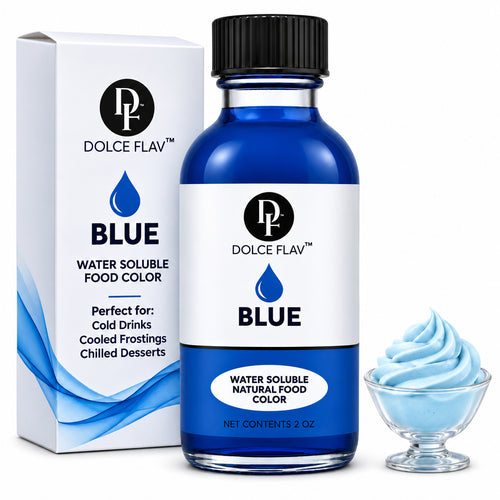
Blue Raspberry. The undisputed king of the ice stand. Blue Raspberry Extract plus a few drops of Natural Blue Food Color gives you the electric blue that sells itself. More on the flavor's strange history in our blue raspberry deep dive.
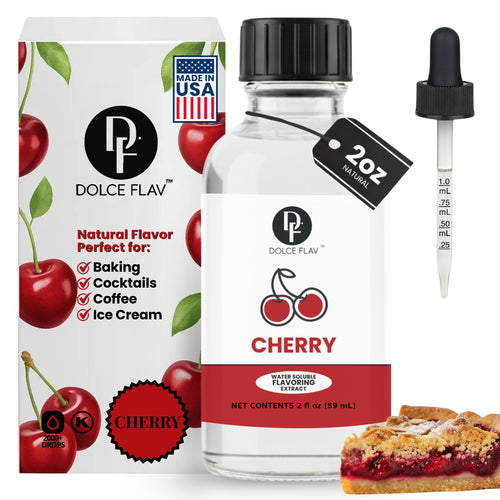
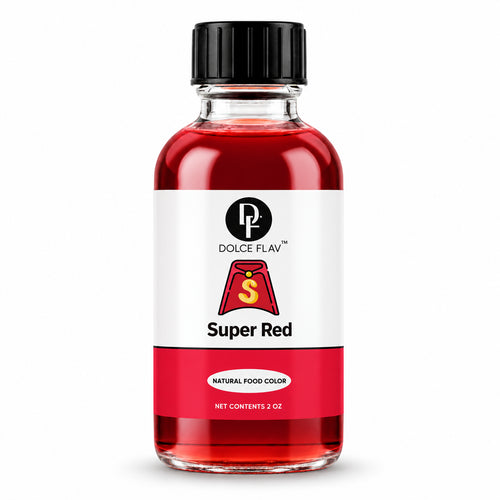
Cherry. Cherry Extract tinted with Natural Super Red — the deep, jammy black-cherry profile beats the fake stuff on every taste test.
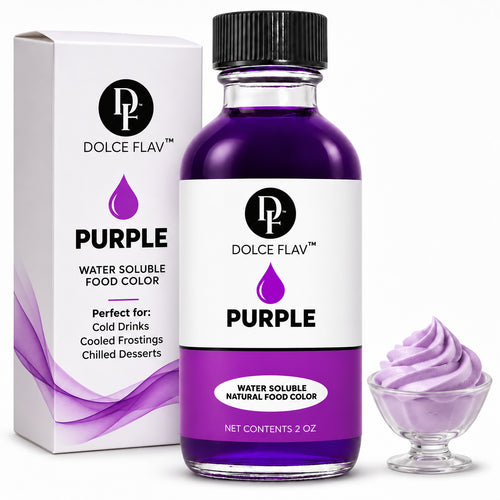
Grape. Grape Extract with a few drops of Natural Purple Food Coloring nails grape-soda purple, naturally.
Tropical Punch. Tropical Punch Extract is the crowd-pleaser blend — fruity, red, and gone by 2 p.m.
Rotating specials
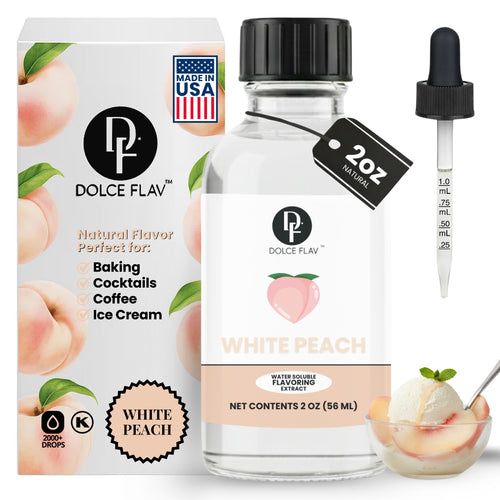
Keep the core four year-round and rotate a special: lime for a margarita-style ice (tinted green), white peach for late summer, or watermelon while the season lasts.
The "Natural Colors" Sign Pays for Itself
Here's the modern twist: parents increasingly walk past neon treats made with synthetic dyes. Every color above comes from our natural food coloring collection — plant-based liquid colors that read beautifully through shaved ice. A simple "colored with natural, plant-based dyes" sign is a real differentiator at family events, and it's the same clean-label shift we covered for bakeries in making the switch to natural food coloring.
Sugar-Free Option (Growing Fast)
Because the extracts carry flavor without sugar, you can offer a sugar-free ice: flavor a chilled allulose or erythritol syrup — or skip syrup entirely and mist flavored, lightly sweetened water over the ice. Either way you can honestly market a zero-sugar option, which almost no competing stand offers.
FAQ
How much extract do I need per quart of snow cone syrup?
Start with 0.3–0.6% of the unflavored base weight, taste over actual ice (cold mutes flavor), and adjust up in small increments.
How long does homemade snow cone syrup last?
Refrigerated in a clean sealed bottle, plan on up to two weeks. Make syrup in batches you'll use within that window.
Can I use these extracts and colors commercially?
Yes — they're concentrated food-grade products used by small brands, cafés, and concession operators, with 32-ounce and gallon sizes for volume users.
Dolce Flav measuring guidance: Weigh the unflavored base or the individual component being flavored, then multiply its grams by 0.003–0.006. Add that measured amount of flavor on top; start at 0.3% and adjust within 0.3–0.6%. For example, 1,000 g of unflavored base gets 3–6 g of flavor. For hard candy, weigh the cooked mixture before adding flavor—not the starting sugar or uncooked ingredients. If combining Dolce Flav flavors in one base, keep their combined amount within the range. Do not calculate grams from a cup or spoon volume without the product’s density.