 Log in


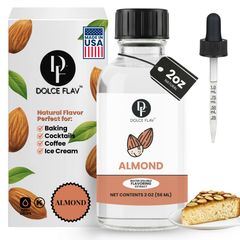
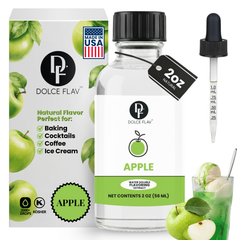

Walk into any beloved scoop shop and you'll notice the menu board changes. A rotating "flavor of the week" gives regulars a reason to come back, gives social media something to post, and gives the shop a personality that a static vanilla-chocolate-strawberry lineup never will.
The catch: developing new flavors with fresh ingredients is slow and expensive. Sourcing ripe fruit, cooking it down, straining it, testing water content — that's a day of labor per flavor, and the results shift with every crop. Concentrated extracts change the math entirely. Here's how small ice cream shops and home-based creameries use them to run a rotation that customers chase.
Why Extracts Beat Fresh Fruit for Rotation Flavors
Water-soluble extracts blend directly into an ice cream base with no cooking, straining, or added water — a few teaspoons flavor a whole batch, and the result is identical in January and July. Fresh fruit adds ice-forming water and varies with the season; extracts don't. We break down the food science in how extracts beat fresh fruit in ice cream.
Consistency matters commercially: when "Strawberry Week" comes back in October, it needs to taste like it did in June. With water-soluble strawberry extract, it will.

Building a 12-Week Rotation from One Shelf
A single shelf of 2 oz and 8 oz bottles can carry a full season. Anchor each month with a crowd-pleaser, then add one adventurous flavor to create talk-value. A late-summer-into-fall example:
August: cotton candy (kids' favorite) and coconut. September: caramel swirled with a pinch of sea salt, plus strawberry's last hurrah. October: vanilla upgraded into a base for mix-ins, alongside a spiced special. Every one of these is water-soluble — exactly what a dairy base wants.
For color-forward specials (a blue "cotton candy carnival" scoop, a pink strawberry), a few drops of natural blue or natural red from our natural coloring collection keeps the menu Instagram-ready and the label clean — a selling point more parents ask about every year.
The Economics: Cents Per Scoop
Most 2 oz extracts are $14.95, and a batch needs only ⅛–¼ teaspoon per quart to start — meaning one bottle flavors dozens of quarts. When a rotation flavor flops (it happens), you're out a few dollars of extract, not a case of fruit. When it's a hit, 8 oz, 32 oz, and gallon sizes scale it without re-testing the recipe. We ran the full numbers in our cost-per-batch breakdown.
Test Small, Launch Fast
The workflow that works: make a single quart test batch, taste as a team, adjust dose, then scale the winner into the weekend's production. Because extracts are added at the end — after pasteurizing and chilling the base — you can split one white base into three test flavors in minutes. If you're building your base from scratch, our complete ice cream guide covers home and commercial methods, equipment, and troubleshooting.
FAQ
Are water-soluble extracts right for ice cream, or should I use flavor oils?
Use water-soluble extracts for ice cream — they disperse evenly through a dairy base. Oil-soluble flavor oils are designed for chocolate, gummies, hard candy, and lip balm instead.
How much extract does a commercial batch need?
Start with ⅛–¼ teaspoon per quart of base, taste, and scale proportionally. Concentrations vary by flavor, so always run a small test batch before full production.
Can I buy larger sizes once a flavor takes off?
Yes — most flavors come in 8 oz, 32 oz, and gallon sizes, so a proven special can move into the permanent lineup without changing your recipe.