 Log in



It's the first week of August, and if you sell candy, Halloween has already started. The brands that clean up in October — sold-out gummy bats, wholesale accounts begging for restocks — are the ones testing recipes and ordering ingredients right now.
Here's the production timeline we recommend for small candy brands, plus the ingredient math to do before September sneaks up on you.
Why August Is the Real Start of Halloween
Work backward from October 31. Retail buyers and coffee shops finalize their fall orders in September. Farmers market shoppers start buying seasonal candy by late September. That means your recipes need to be locked, labeled, and produced at scale by mid-September — which makes August your testing window.
Miss it, and you're formulating in a rush while your competitors are already on shelves. (If markets are part of your plan, our fall farmers market playbook pairs well with this timeline.)
Week-by-Week Timeline
Weeks 1–2 (early August): R&D
Pick your Halloween lineup — three to five SKUs is plenty for a small brand. Test small batches now, while mistakes are cheap. Our gummies-from-scratch guide covers scaling from test batch to production batch.
Weeks 3–4 (late August): Lock recipes & order
Finalize dosing, order production quantities of gelatin, flavors, colors, and molds. Bulk sizes (8 oz to gallon) on flavorings drop your per-unit cost dramatically versus 2 oz bottles.
September: Production & packaging
Run production in planned blocks, batch-code everything, and get sell sheets to wholesale prospects early in the month.
October: Sell and restock
If week one sells faster than planned, you still have time for one more production run — but only if your ingredients are already on the shelf.
The Halloween Flavor Board

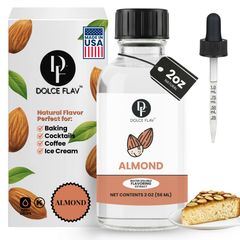
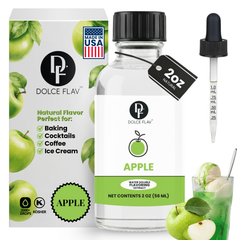
Seasonal flavor does the marketing for you. From the gummy flavoring lineup, these earn their spot in October:
- Blood orange — the name alone belongs on a Halloween label.
- Cherry and grape — nostalgic trick-or-treat classics.
- Habanero — pair with cherry for a "devil's candy" heat gummy adults actually buy.
- Pumpkin spice — for caramels, chocolates, and anything aimed at the latte crowd.
- Cola — a sleeper hit with kids in gummy form.
Color Is Your Halloween Costume
Halloween candy is bought with the eyes: orange, purple, deep red, black-ish plum. You can get all of it from plant-based colors, which also gives your label a "no synthetic dyes" line that parents notice.
From the natural food coloring collection: Super Red for blood-red gummies and candy apples, triple-strength orange (turmeric-based) for pumpkin everything, and triple-strength purple (purple sweet potato) for witchy layers. Blend purple and Super Red for a deep near-black.
These are water-soluble, so they go into gummy mixes, frostings, and coatings — not into melted chocolate, where water-based color causes seizing.
The Ingredient Math
Before ordering, estimate: units per SKU × grams of gummy mix per unit. A gallon of concentrated flavor covers thousands of units; a 234-cavity cube mold at 6.5 ml per cavity lets you calculate exactly how many pours a production day holds. Order 20% over your forecast — October restocks are where the margin lives.
FAQ
When should a small candy business start Halloween production?
Test recipes in early August, order production ingredients by late August, and produce through September. Wholesale buyers finalize fall orders in September, so August testing is what keeps you on their shelves.
Can natural food coloring really produce Halloween colors?
Yes — Super Red, triple-strength orange, and triple-strength purple cover the classic Halloween palette, and blending purple with Super Red gets you close to black. They're water-soluble, so use them in gummies, frostings, and candy syrups rather than chocolate.
What's the most cost-effective way to buy flavoring for production?
Larger formats. Moving from 2 oz bottles to 8 oz or gallon sizes cuts your per-unit flavor cost sharply — and one concentrated bottle flavors far more candy than an equivalent spend on purées or juices.