Log in


Food-flavor measurement note: Use Dolce Flav food-flavor concentrate at 0.3–0.6% of the unflavored component weight, added on top. Weigh the base in grams and multiply by 0.003–0.006, starting at 0.3%; 1,000 g of base gets 3–6 g. For cooked candy use the cooked mixture before flavor. For combined flavors in one base, keep their total within the range. Do not infer grams from drops or spoon volume. Calculate from the specific beverage, frosting, glaze, chocolate or other component being flavored, not separate toppings or accompaniments.
Some flavors need explaining. Passion fruit doesn't — one taste of that bright, tangy-floral tropical punch and people are hooked. It's also one of the hardest fruits to work with fresh: expensive, seasonal, and mostly seeds.
That's exactly why concentrated passion fruit flavoring earns a permanent spot on the candy maker's shelf. Here's how to get the most out of it before summer slips away.
Meet the Flavor

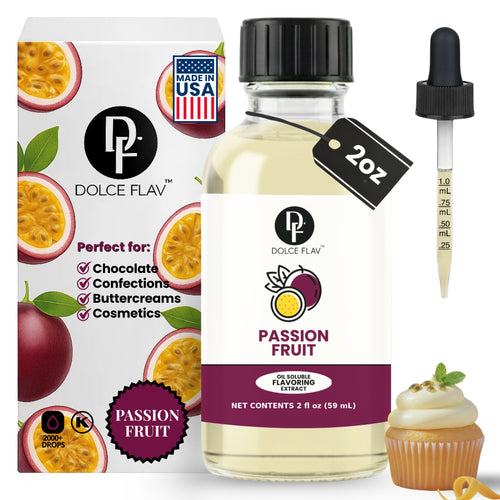
Oil-soluble passion fruit flavoring captures the fruit at peak ripeness: tart up front, honeyed and floral underneath. Because it's oil-soluble and concentrated, it survives high-heat candy work that would destroy fresh fruit — no added water, no seized chocolate, no diluted gummy mix.
A quick refresher on solubility: oil-soluble flavors are built for gummies, hard candy, chocolate, and lip balm. They won't dissolve in water-based drinks — for those, you'd pick a water-soluble extract. Our oil-soluble do's and don'ts covers the details.
Passion Fruit Gummies
This is the headline act. Passion fruit's tartness is tailor-made for gummies, where a little acidity keeps sweetness in check.
Make your base with gelatin as usual (our gummy flavoring guide has the full method), then add passion fruit flavor off the heat — start with 0.3–0.6% of the unflavored base weight, taste, and adjust. Pour into silicone molds and chill.
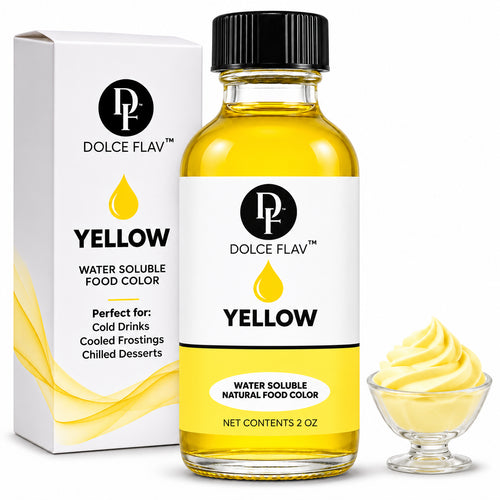
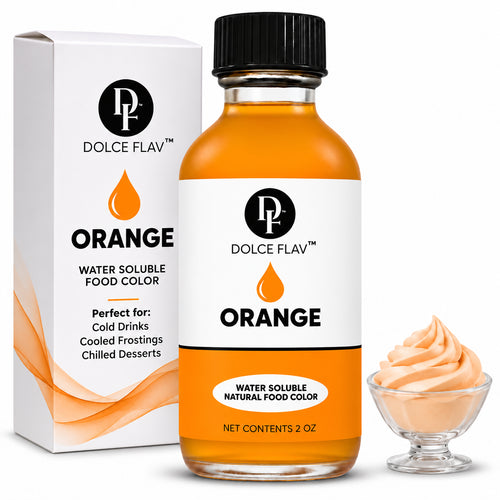
For color, a few drops of natural yellow or natural orange coloring in the gummy mix gives you that sunset tropical look — plant-based, no synthetic dyes.
Passion Fruit Hard Candy
Because the flavor is oil-based and heat-stable, it can be added to hard candy syrup at the end of the cook (around 300°F, once you pull it from the heat). The result: glassy golden drops with a sharp tropical bite. Start with 0.3–0.6% of the cooked, unflavored mixture’s weight and adjust on your next round.
White Chocolate & Truffles
Passion fruit and white chocolate is a pastry-chef pairing for good reason — the fruit's acidity slices through white chocolate's sweetness. Stir measured amounts into melted white chocolate for bark, or flavor your truffle ganache. Never use water-based flavorings here; water is what makes chocolate seize. More pairings in our chocolate flavoring guide.
Lip Balm
Oil-soluble flavors blend directly into wax-and-oil lip balm bases, and passion fruit makes a summery scent that outlasts the season. A drop or two per small batch is plenty — see our step-by-step lip balm tutorial and swap in passion fruit.
Pairings That Work
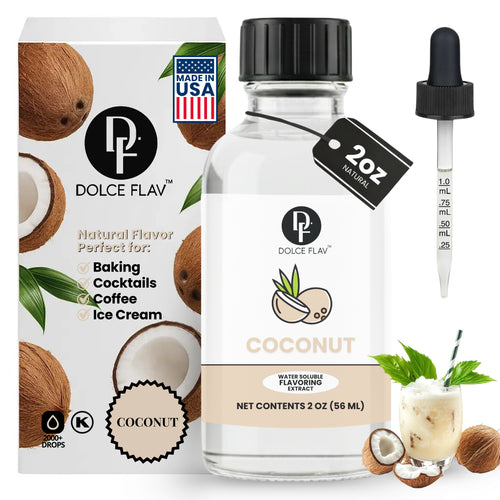
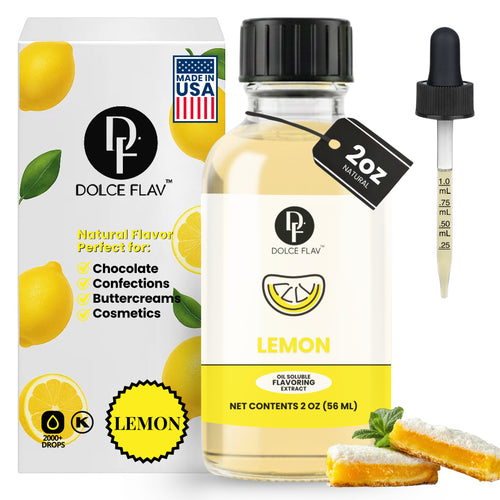
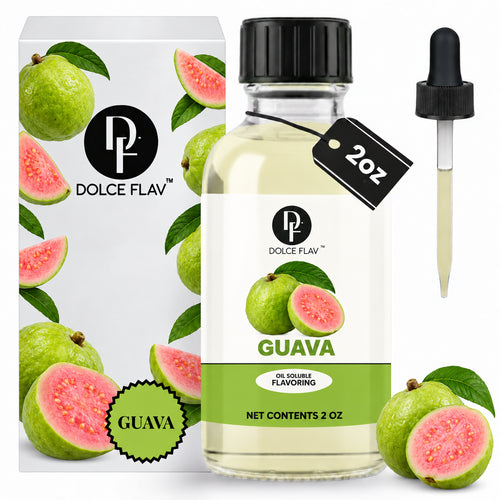
Passion fruit is a team player. Try it with mango in a layered dessert, coconut for a piña-colada-adjacent gummy, lemon for maximum tartness, or guava for a full tropical punch. For ratio ideas, our gummy pairing roundup is a good starting point.
FAQ
Is passion fruit flavoring oil-soluble or water-soluble?
Dolce Flav passion fruit flavoring is oil-soluble, which makes it ideal for gummies, hard candy, chocolate, and lip balm. It is not designed to dissolve in water-based drinks.
How much passion fruit flavoring do I use in gummies?
Start with 0.3–0.6% of the unflavored base weight, added off the heat. Taste a cooled sample and adjust — concentrated flavors go further than you expect.
Can passion fruit flavoring handle hard candy temperatures?
Yes. Add it after you remove the syrup from heat (around 300°F). Oil-soluble flavorings are formulated for high-heat candy work, unlike fresh fruit purée.
Dolce Flav measuring guidance: Weigh the unflavored base or the individual component being flavored, then multiply its grams by 0.003–0.006. Add that measured amount of flavor on top; start at 0.3% and adjust within 0.3–0.6%. For example, 1,000 g of unflavored base gets 3–6 g of flavor. For hard candy, weigh the cooked mixture before adding flavor—not the starting sugar or uncooked ingredients. If combining Dolce Flav flavors in one base, keep their combined amount within the range. Do not calculate grams from a cup or spoon volume without the product’s density.